





09 Sep
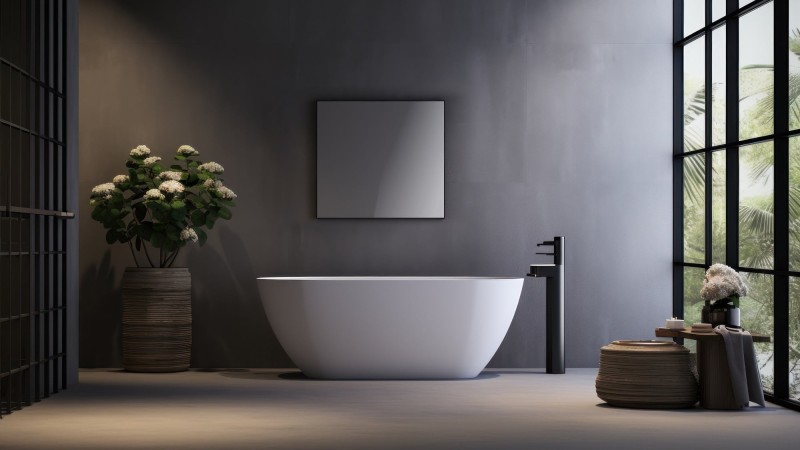
I. Space Planning & Layout
Wet-Dry Zoning:
- Recommend using glass partitions or shower curtains to separate the shower area
- Consider a freestanding bathtub zone if space permits
Movement Optimization:
- Follow the "sink-toilet-shower" triangular workflow
- Maintain ≥90cm clearance pathways
Storage Systems:
- Combine recessed wall niches (15-20cm depth), mirrored cabinets, and under-sink vanities
II. Material Selection Guide
III. Essential Fixtures Selection
Hardware:
- Choose 304 stainless steel
- Allocate 15%-20% of budget
Smart Features:
- Thermostatic showers (38°C±1°C)
- Smart toilets (instant heating systems recommended)
Lighting:
- Vanity lights with CRI≥90
- 3000-4000K color temperature preferred
IV. Detail Enhancements
- Install heated towel rails (60-100W recommended)
- Include waterproof USB outlets (1.2m above floor level)
- Opt for deep-seal floor drains (superior odor prevention)
V. Trending Style References
- Modern Minimalist:
Monochromatic tiles + Floating vanity - Japanese Onsen:
Japanese cedar ceiling + Soaking tub - Industrial Loft:
Concrete-finish walls + Matte black hardware
Pro Tip: Photograph all plumbing layouts before wall closure. Conduct mandatory 72-hour water leakage tests post-waterproofing.
This comprehensive guide covers critical aspects of bathroom renovations, emphasizing waterproofing, storage solutions, and ergonomic details. Budget allocation should be based on actual dimensions (standard bathrooms: 4-8m²), with mid-range renovations averaging ¥800-1500/m².
Need visual references for specific styles? Feel free to ask!
Related Products
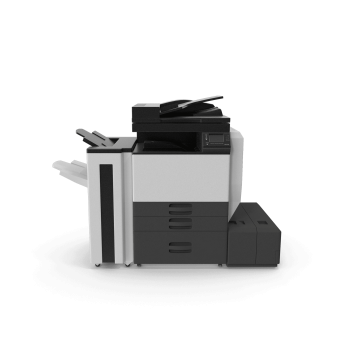
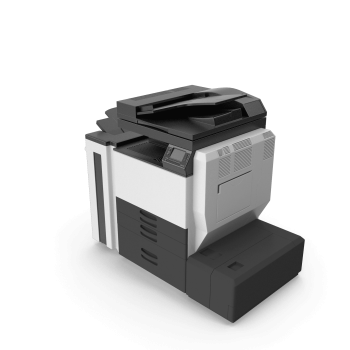
Demo product Laserjet Pro Office Printer description, along with any other tab can be displayed as tabs, accordion or all-visible blocks in grid forma..
from
$367.26
Ex Tax:$367.26
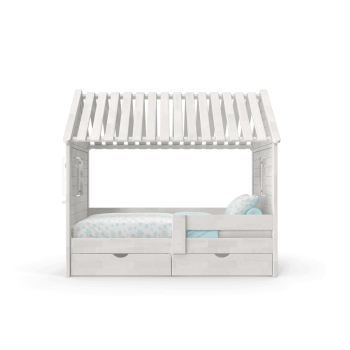
Demo product Kids Bed 03 description, along with any other tab can be displayed as tabs, accordion or all-visible blocks in grid format or one under t..
from
$460.25
Ex Tax:$460.25
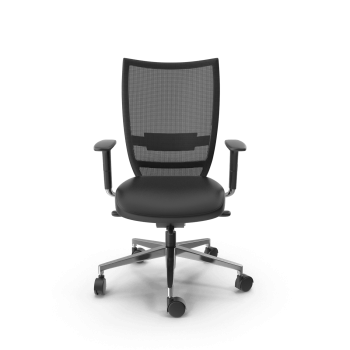
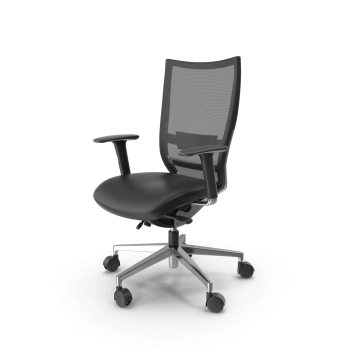
Demo product Office Chair 01 description, along with any other tab can be displayed as tabs, accordion or all-visible blocks in grid format or one und..
from
$587.84
Ex Tax:$587.84
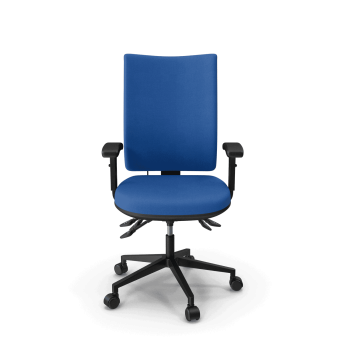
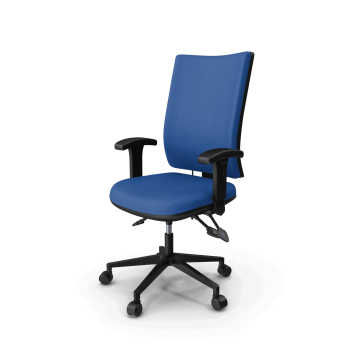
Demo product Office Chair 02 description, along with any other tab can be displayed as tabs, accordion or all-visible blocks in grid format or one und..
from
$576.39
Ex Tax:$576.39
132 Comment(s)
I do not even know how I ended up here, but I thought this post was great. I don't know who you are but certainly you're going to a famous blogger if you are not already ;) Cheers!
Nice blog! Is your theme custom made or did you download it from somewhere? A design like yours with a few simple tweeks would really make my blog jump out. Please let me know where you got your theme. Many thanks
Fantastic blog! Do you have any tips for aspiring writers? I'm hoping to start my own blog soon but I'm a little lost on everything. Would you recommend starting with a free platform like Wordpress or go for a paid option? There are so many options out there that I'm totally overwhelmed .. Any recommendations? Thank you!
My partner and I stumbled over here by a different page and thought I might check things out. I like what I see so i am just following you. Look forward to looking into your web page for a second time.
Hi! I just would like to give you a huge thumbs up for your excellent info you've got here on this post. I will be returning to your site for more soon.
I used to be able to find good info from your blog articles.
I'm truly enjoying the design and layout of your blog. It's a very easy on the eyes which makes it much more pleasant for me to come here and visit more often. Did you hire out a developer to create your theme? Superb work!
Howdy would you mind stating which blog platform you're using? I'm looking to start my own blog in the near future but I'm having a difficult time making a decision between BlogEngine/Wordpress/B2evolution and Drupal. The reason I ask is because your design and style seems different then most blogs and I'm looking for something completely unique. P.S My apologies for being off-topic but I had to ask!
Very rapidly this web site will be famous amid all blog people, due to it's pleasant articles
I am really impressed with your writing talents and also with the format for your blog. Is this a paid subject or did you modify it your self? Anyway keep up the excellent quality writing, it's rare to look a nice weblog like this one today..
This blog was... how do you say it? Relevant!! Finally I have found something which helped me. Thanks a lot!
I know this if off topic but I'm looking into starting my own weblog and was curious what all is required to get setup? I'm assuming having a blog like yours would cost a pretty penny? I'm not very web savvy so I'm not 100% positive. Any suggestions or advice would be greatly appreciated. Appreciate it
Hey this is kinda of off topic but I was wanting to know if blogs use WYSIWYG editors or if you have to manually code with HTML. I'm starting a blog soon but have no coding expertise so I wanted to get guidance from someone with experience. Any help would be greatly appreciated!
It's an remarkable piece of writing for all the web people; they will get advantage from it I am sure.
Hmm it appears like your website ate my first comment (it was super long) so I guess I'll just sum it up what I submitted and say, I'm thoroughly enjoying your blog. I too am an aspiring blog blogger but I'm still new to the whole thing. Do you have any points for inexperienced blog writers? I'd really appreciate it.
Someone essentially assist to make significantly posts I might state. That is the first time I frequented your website page and to this point? I amazed with the research you made to make this actual post extraordinary. Fantastic activity!
each time i used to read smaller content which also clear their motive, and that is also happening with this article which I am reading at this place.
Because the admin of this website is working, no uncertainty very quickly it will be renowned, due to its feature contents.
hello there and thank you for your information – I have definitely picked up something new from right here. I did however expertise several technical issues using this web site, since I experienced to reload the site a lot of times previous to I could get it to load correctly. I had been wondering if your hosting is OK? Not that I'm complaining, but slow loading instances times will very frequently affect your placement in google and could damage your high quality score if advertising and marketing with Adwords. Well I'm adding this RSS to my e-mail and could look out for much more of your respective exciting content. Make sure you update this again soon.
I don't know whether it's just me or if everybody else experiencing issues with your blog. It appears like some of the text within your content are running off the screen. Can somebody else please comment and let me know if this is happening to them as well? This could be a problem with my web browser because I've had this happen before. Many thanks
Leave a comment